

EUROPE
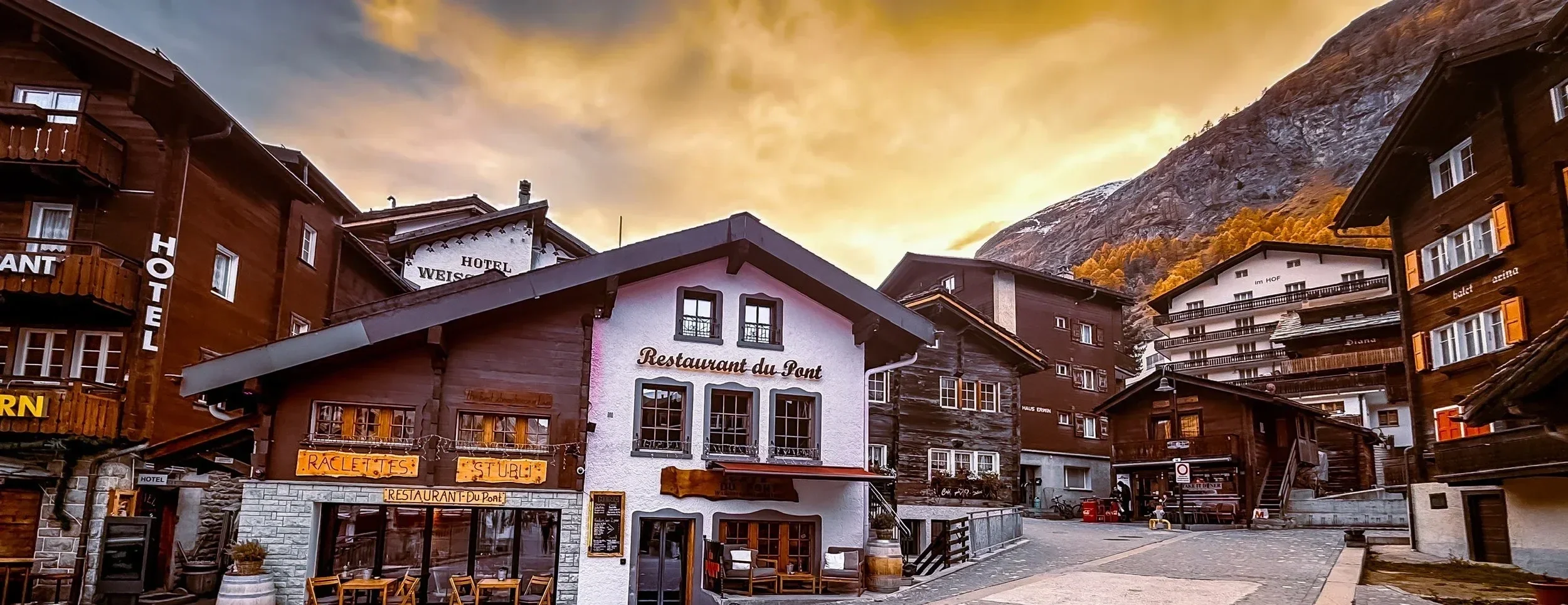
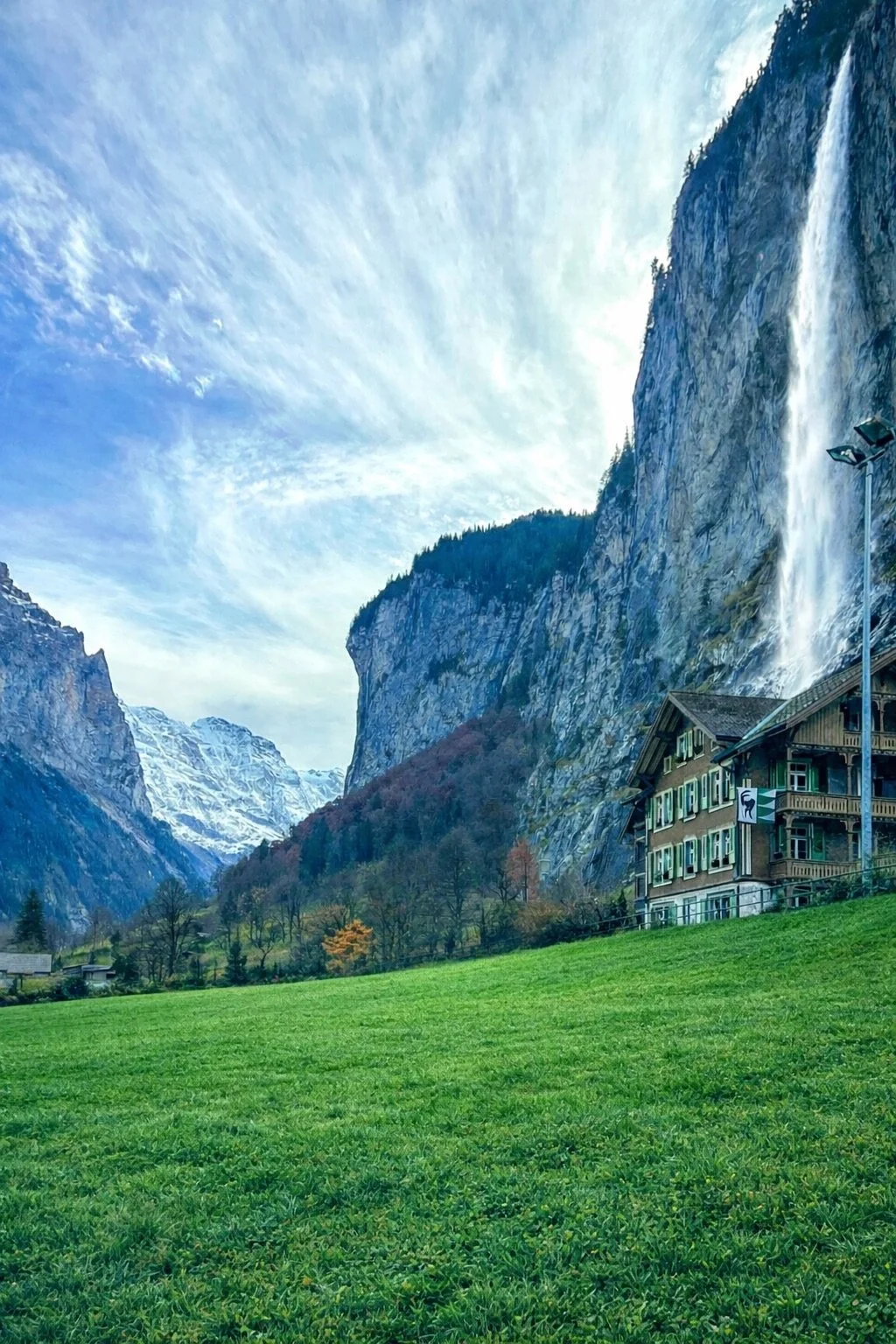
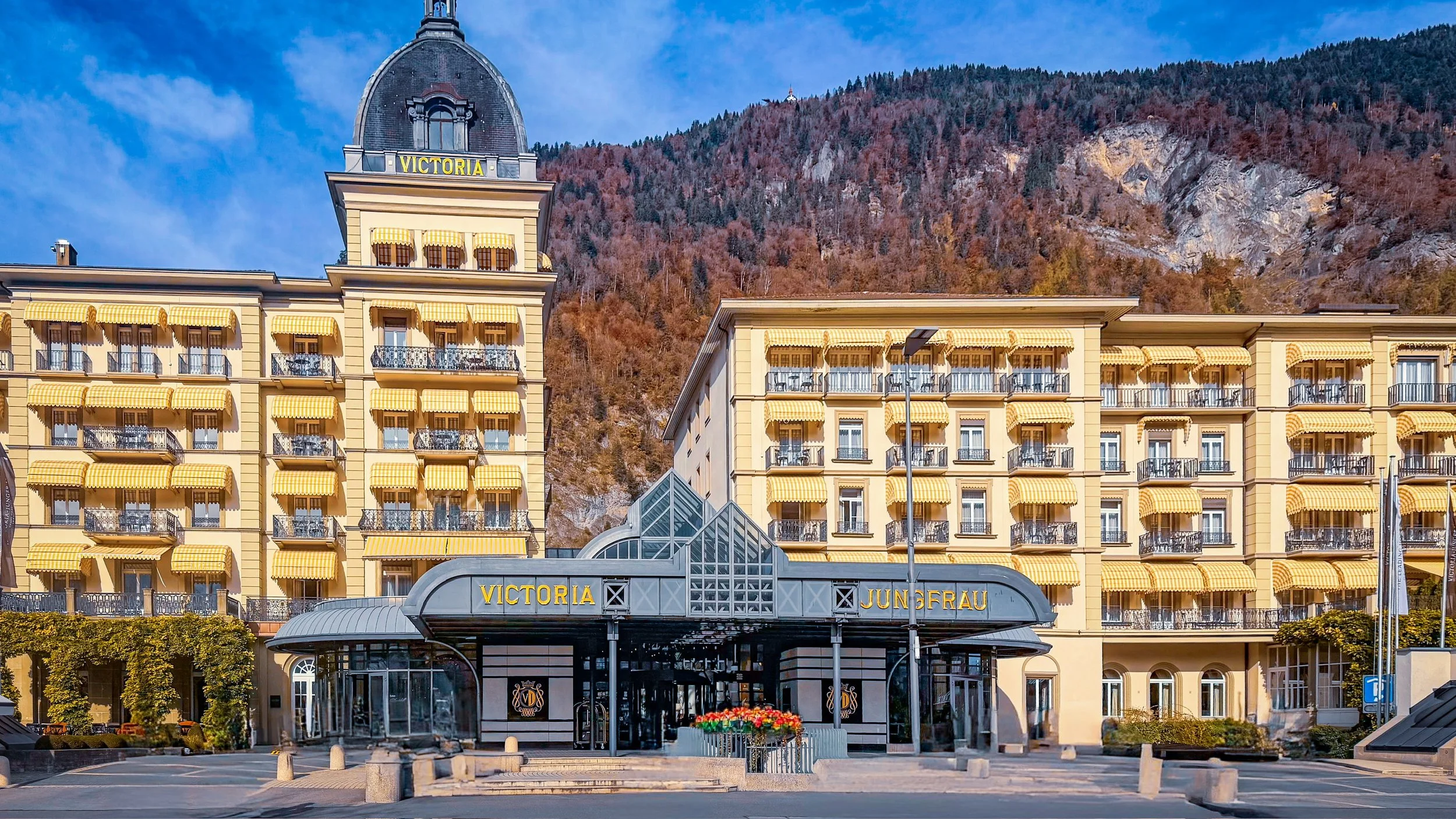
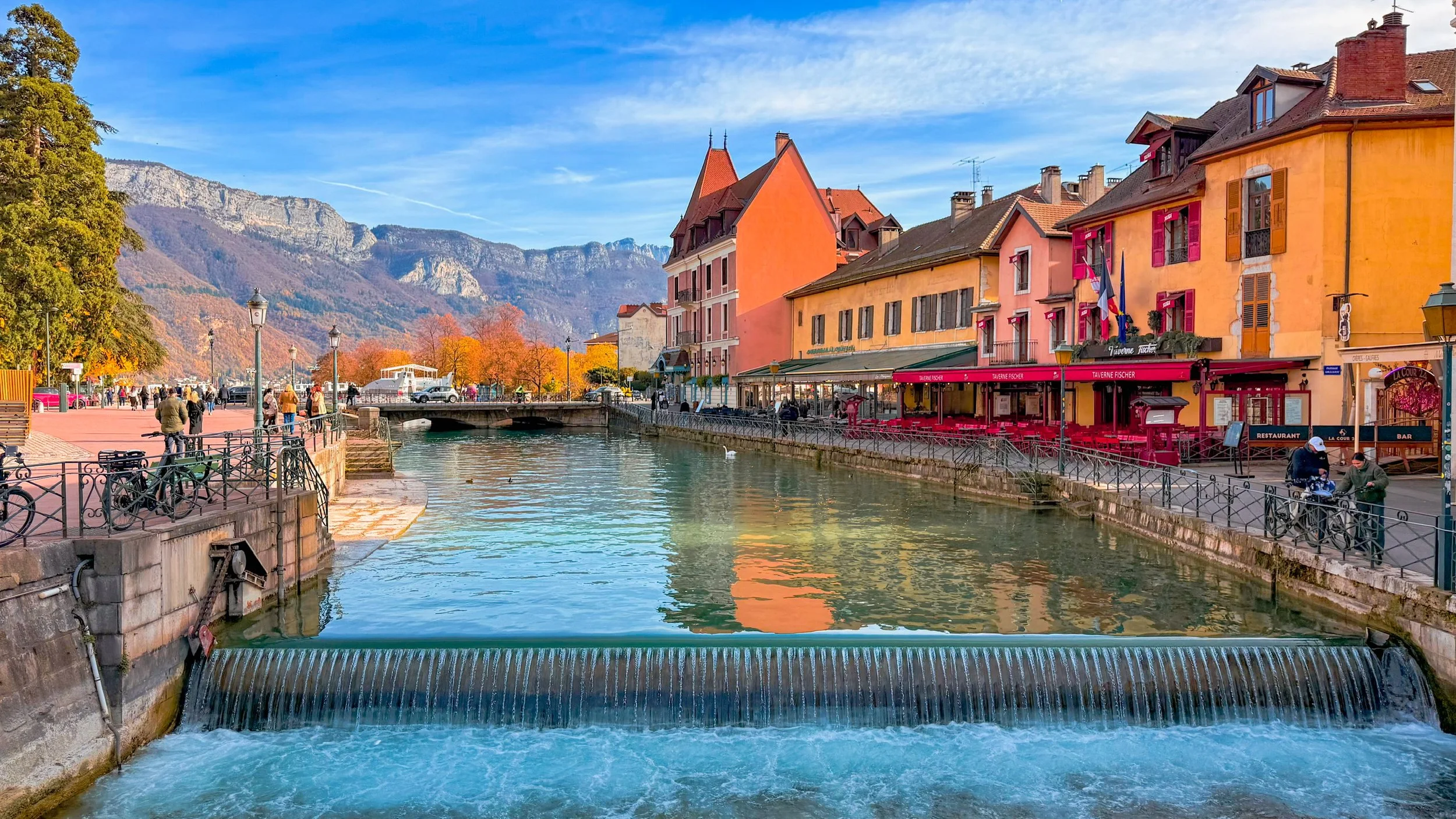
Explore Europe through the lens of solo female travel. These guides share safe destinations, thoughtful itineraries, and personal experiences designed to help women travel Europe with confidence, ease, and intention. From peaceful villages to iconic cities, each journey is rooted in beauty, safety, and soul.
Filter by Region:



Start Your Journey Here
BROWSE TRAVEL GUIDES





Get a Wise card before you leave home
The Wise card (formerly TransferWise) is hands-down the best financial tool for solo travel in Europe. It lets you hold and spend in multiple currencies at the real exchange rate with very low fees — no foreign transaction fees, no surprise charges. Load it with euros, pounds, or local currency before you go. It's accepted everywhere Mastercard is and has ATM withdrawal capabilities across Europe. Apply online and allow a week for delivery.
Europe Solo Female Travel Tips
Validate your train tickets before boarding
In many European countries — particularly France, Italy, Spain, and Germany — you are required to validate (stamp) your train or metro ticket in a machine on the platform before boarding, even if you've already paid. Failure to do so can result in a fine, even with a valid ticket in hand. The machines are usually small yellow or orange boxes near the platform entrance. When in doubt, look for what other locals are doing.
Download offline maps before you arrive in each country
Don't rely on roaming data alone. Download your destination city's map on Google Maps or Maps.me before you cross each border. European cities are wonderfully walkable but can be confusing to navigate — having offline maps means you can always find your way back to your accommodation without burning data or being stuck without signal in a new city.
Carry a photocopy of your passport
Many European hotels and hostels will ask to see your passport at check-in, and in some countries you're technically required to carry ID. Rather than carrying your actual passport everywhere, keep a clear photocopy (or a photo on your phone) for daily use and store the original securely in your accommodation's safe or a hidden pocket in your bag. Also email yourself a copy so you can access it from anywhere if your phone is lost.
Learn the local emergency number — it's 112 everywhere
Across all EU member states — and many non-EU European countries — 112 is the universal emergency number for police, fire, and ambulance. It works from any phone, including with no SIM card or credit. Save it in your contacts before you land in each country. Individual country numbers (like 999 in the UK) also still work, but 112 is your reliable pan-European fallback.
Use Omio or Rome2rio for multi-country transport planning
Planning transport across multiple European countries can get complicated fast. Omio and Rome2rio are excellent tools that compare trains, buses, and flights across borders in one search. They'll show you the cheapest and fastest options side by side. For booking trains, Trainline is reliable across most of Europe, and booking directly through national rail websites (like SNCF for France or Renfe for Spain) often gets you the best prices.
Be aware of common tourist scams
Europe's most touristed cities — Rome, Paris, Barcelona, Prague, Amsterdam — have well-documented scams targeting solo travelers. Common ones include the friendship bracelet (someone ties a bracelet on your wrist then demands payment), the petition scam (someone asks you to sign a clipboard while an accomplice pickpockets you), and the broken taxi meter. Research the specific scams for each city you're visiting and be politely but firmly assertive when approached by strangers offering unsolicited help or gifts.
Europe Solo Female Travel FAQ
-
Europe is one of the most popular solo female travel destinations in the world. Most of Western and Northern Europe has excellent infrastructure, low violent crime rates, and well-developed tourism networks. Countries like Iceland, Ireland, Denmark, Switzerland, and Portugal consistently top safety rankings for female travelers. Exercise standard precautions in busy tourist areas — pickpocketing is the most common issue — and research any region-specific considerations before you go.
-
Portugal (especially Lisbon and Porto) is frequently cited as the top destination for solo women — safe, affordable, English-friendly, and incredibly welcoming. Iceland is renowned as the safest country in the world. Ireland, the Netherlands, Denmark, and Switzerland are all excellent. Italy, Spain, France, and Greece are beloved classics with strong tourism infrastructure. Eastern Europe — Croatia, Czechia, Slovenia — offers stunning scenery at lower prices with fewer crowds.
-
It depends on the country. Most of Western and Southern Europe uses the Euro (€), including France, Spain, Italy, Germany, Portugal, Greece, the Netherlands, and Austria. Notable exceptions include the UK (British Pound, £), Switzerland (Swiss Franc, CHF), Croatia (Euro since 2023), Hungary (Forint), Poland (Złoty), and the Czech Republic (Czech Koruna). Always check the local currency before you arrive, and use a no-foreign-transaction-fee card like Wise or Charles Schwab to avoid extra charges at ATMs and shops.
-
Europe has dozens of official languages, but English is widely spoken across Western and Northern Europe, in major cities throughout Southern and Eastern Europe, and in tourist areas nearly everywhere. You won't need to be multilingual to travel comfortably. That said, learning a few words in the local language — hello, thank you, please, excuse me — is genuinely appreciated and often warmly received. Apps like Google Translate (with offline language packs downloaded) and Duolingo for a quick intro are all you really need.
-
Europe's rail network is world-class and one of the great joys of traveling the continent solo. A Eurail Pass is worth considering if you're visiting multiple countries — book seat reservations in advance on high-speed routes. Budget airlines like Ryanair, easyJet, and Wizz Air connect cities cheaply if booked early. Within cities, metros, trams, and buses are affordable and easy to navigate. Flixbus is a great budget option for intercity routes not well served by rail. Walking is often the best way to explore — many European cities are compact and extraordinarily walkable.
-
Europe spans a wide range of budgets. Western Europe (UK, France, Switzerland, Scandinavia) is expensive — budget $100–$180 USD/day. Southern Europe (Portugal, Spain, Greece, Italy) is more moderate at $70–$120 USD/day. Eastern Europe (Poland, Hungary, Romania, Croatia) is very affordable at $50–$80 USD/day. Staying in boutique hostels or guesthouses, eating at local markets, and traveling by train keeps costs manageable. The biggest splurges tend to be accommodation in peak season and activities — book both early.
-
It depends on your passport. US, Canadian, UK, and Australian passport holders can visit most European countries visa-free for up to 90 days within a 180-day period (Schengen Zone rules). Note that the EU's ETIAS travel authorization system — a quick online pre-registration — is expected to launch for non-EU visitors, so check current entry requirements before you travel. Always verify visa requirements for each country on your itinerary, especially if visiting non-Schengen countries like the UK, Albania, or Georgia.
-
Europe has one of the most active solo female travel communities in the world. Hostels across the continent regularly organize social events, walking tours, and day trips that make it effortless to meet fellow travelers. Women-focused travel companies like Flash Pack, Damesly, and Intrepid's women-only tours operate extensively throughout Europe. Online communities like Girls LOVE Travel and Solo Female Travelers on Facebook have tens of thousands of members sharing Europe tips daily — an invaluable resource before and during your trip.
Discover the best of Québec City and Montréal with this curated digital travel guide. From historic landmarks and charming cafés to must-see attractions, favorite restaurants, and practical planning tips, this guide will help you experience the very best of Québec with confidence.
Download includes both English and Spanish PDFs.
What's Included:
Getting there & where to stay
What to know before you go
Activities & must-see experiences
Restaurants & sweet stops
Day-by-day itinerary