

CANADA
Solo female travel in Canada offers a safe, empowering journey — from wild nature adventures to vibrant city escapes. From Vancouver’s coastal charm to Montreal’s culture and Banff’s breathtaking peaks, this guide covers the best places to visit in Canada for women traveling solo. Learn how to stay safe, navigate local transit, and connect with welcoming communities across the country.

Filter by Region:
Start Your Journey Here
BROWSE TRAVEL GUIDES
Canada Solo Female Travel Tips
Pack for extreme weather — even in summer
Canada's weather is famously unpredictable and varies wildly by region and season. Even in July, evenings in the Rockies can drop to near freezing. Always pack a waterproof layer, a warm mid-layer, and moisture-wicking base layers regardless of when you're visiting. If you're hiking, dress in layers you can add or remove easily. Checking the Environment Canada weather app daily is a smart habit.
Book national park permits and campsites early
Canada's most popular parks — Banff, Jasper, Yoho, Pacific Rim — get extremely busy in summer and many require advance reservations for campsites, backcountry trails, and even park entry during peak season. The Parks Canada reservation system opens months ahead and popular spots sell out within minutes. If a specific experience is on your must-do list, plan and book as far ahead as possible.
Use the Parks Canada and AllTrails apps for hiking
Before heading out on any solo hike, download the AllTrails app and read recent trail reviews — other hikers often post real-time updates about trail conditions, wildlife sightings, and closures. The Parks Canada app has official trail maps and safety information. Always tell someone your hiking plan and expected return time. Solo hiking in Canada is wonderful and very common — just do it with the right preparation.
Carry cash for smaller towns and markets
While cards are accepted almost everywhere in cities, smaller towns, farmers markets, and some rural accommodations still prefer cash. It's worth keeping $40–60 CAD on you at all times. ATMs in smaller communities can be scarce, so top up your cash before leaving the city.
Know Canada's emergency number
Call 911 anywhere in Canada for police, fire, or ambulance. In national parks and remote areas, cell coverage can be limited — consider renting a personal locator beacon (PLB) or satellite communicator like a Garmin inReach for any serious backcountry hiking. Many park outfitters offer these for daily rental.
Canada Solo Female Travel FAQ
-
Canada is consistently ranked as one of the safest countries in the world for solo female travelers. Canadians are known for being friendly and helpful, crime rates in most tourist areas are low, and the country has excellent infrastructure. Standard urban precautions apply in larger cities like Toronto and Vancouver, but overall Canada is an outstanding destination for women traveling alone, including first-time solo travelers.
-
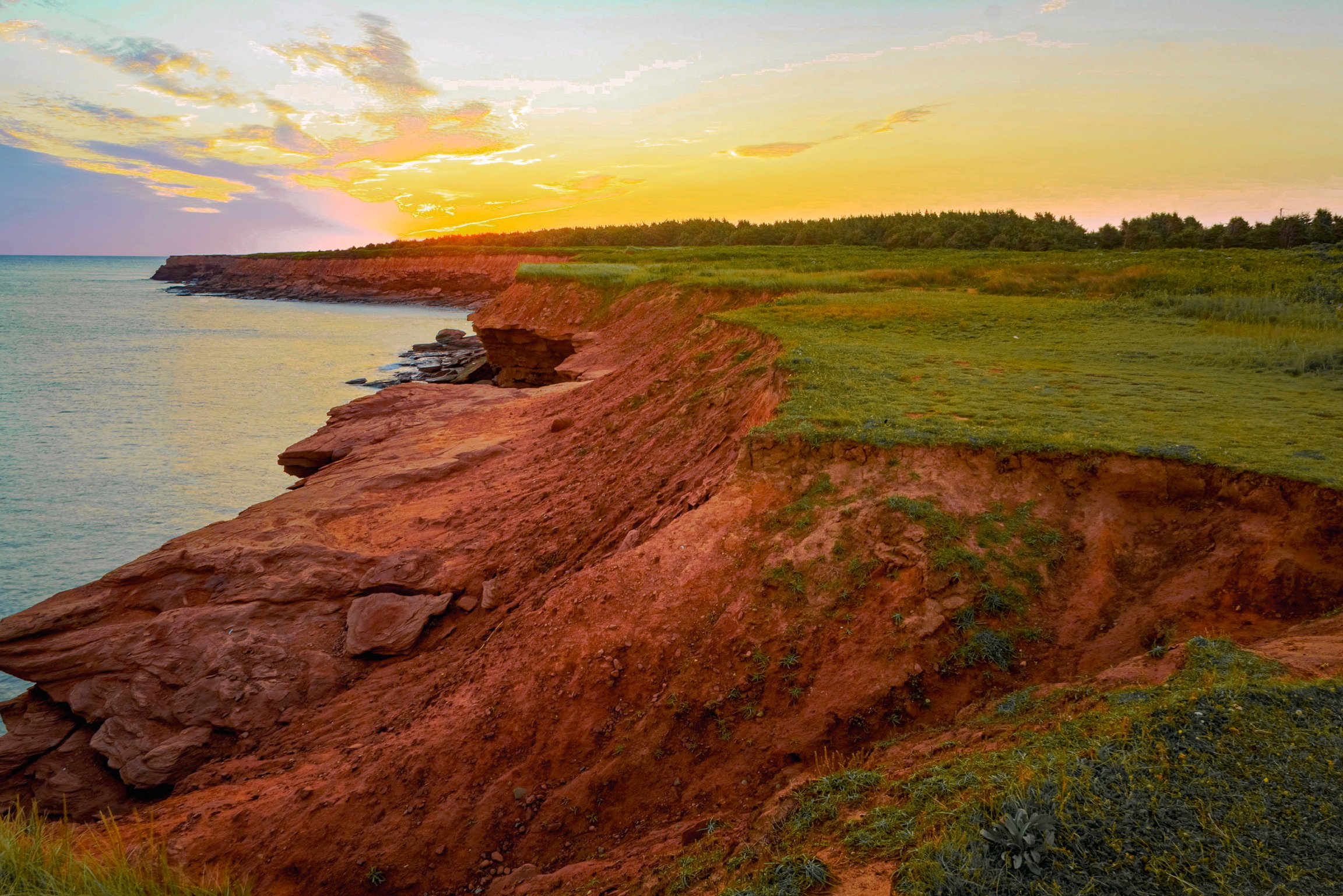
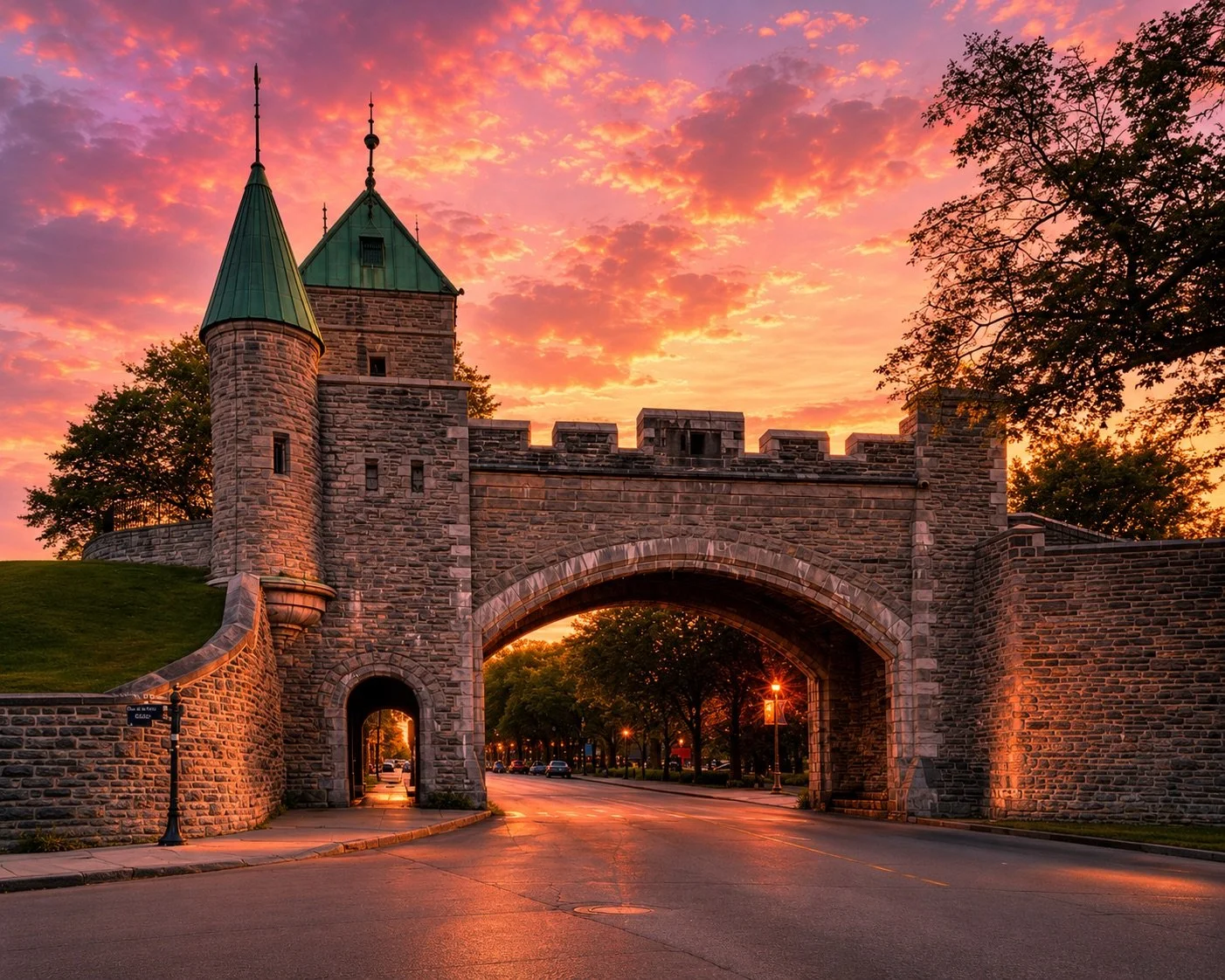
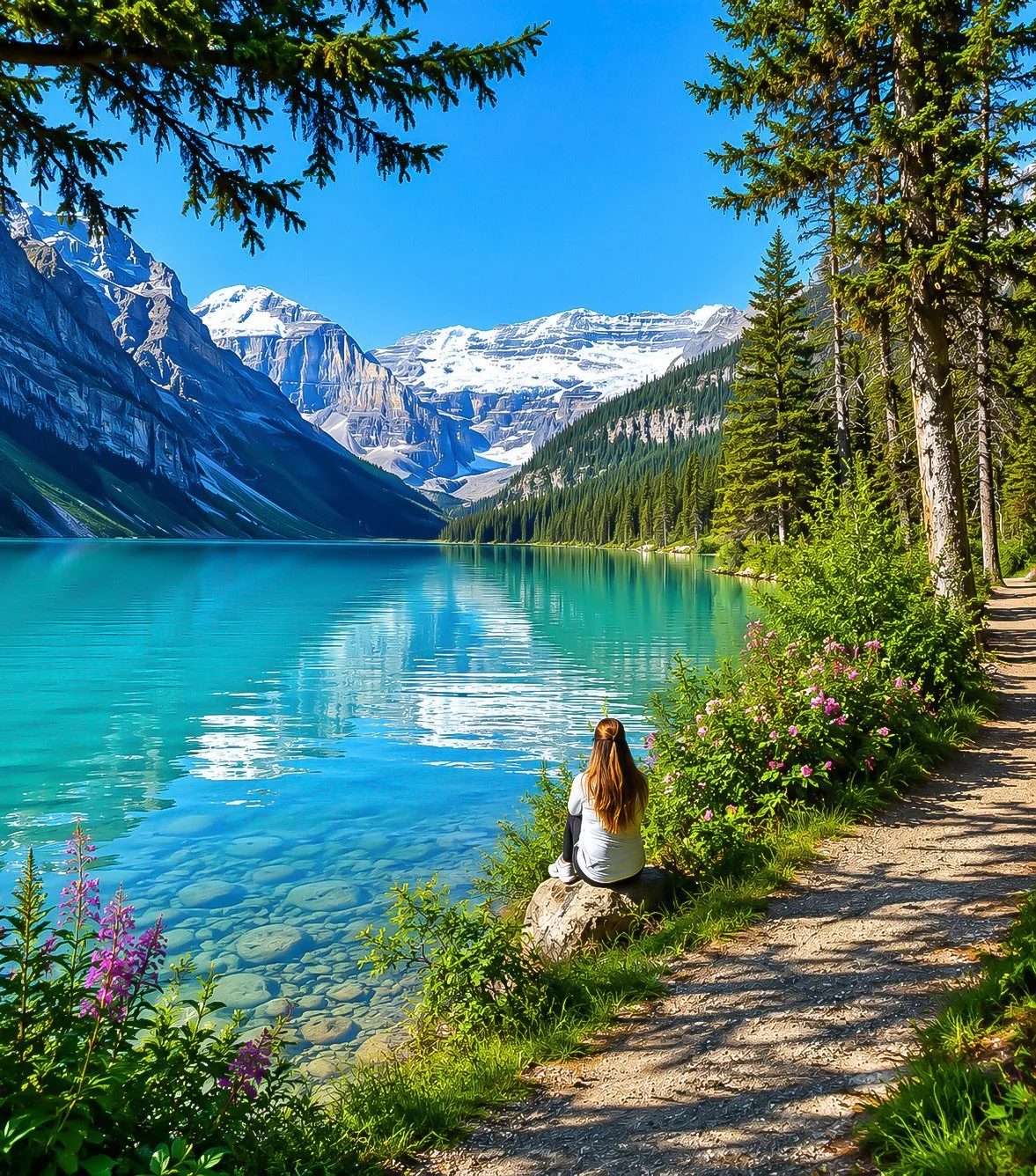
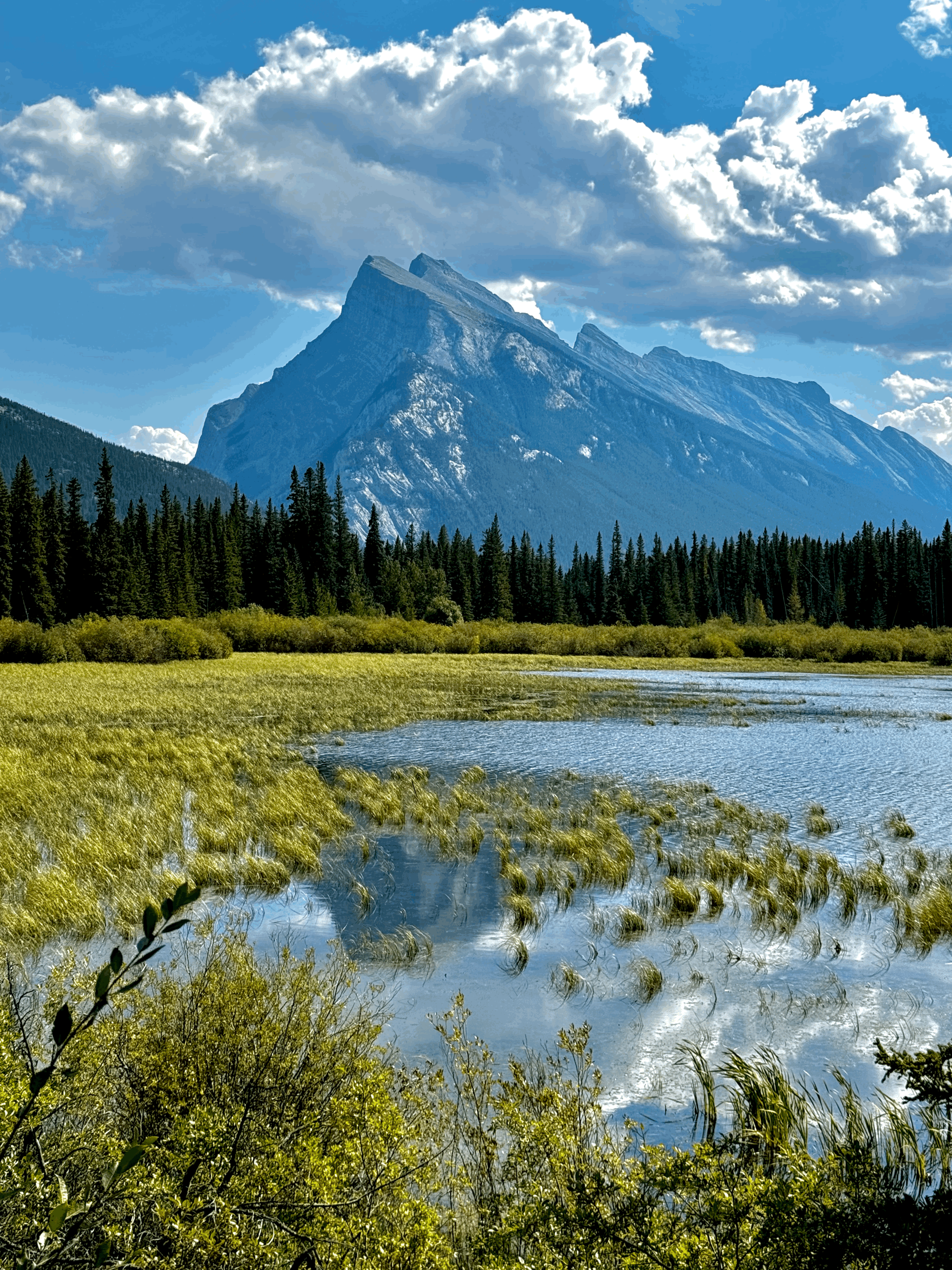
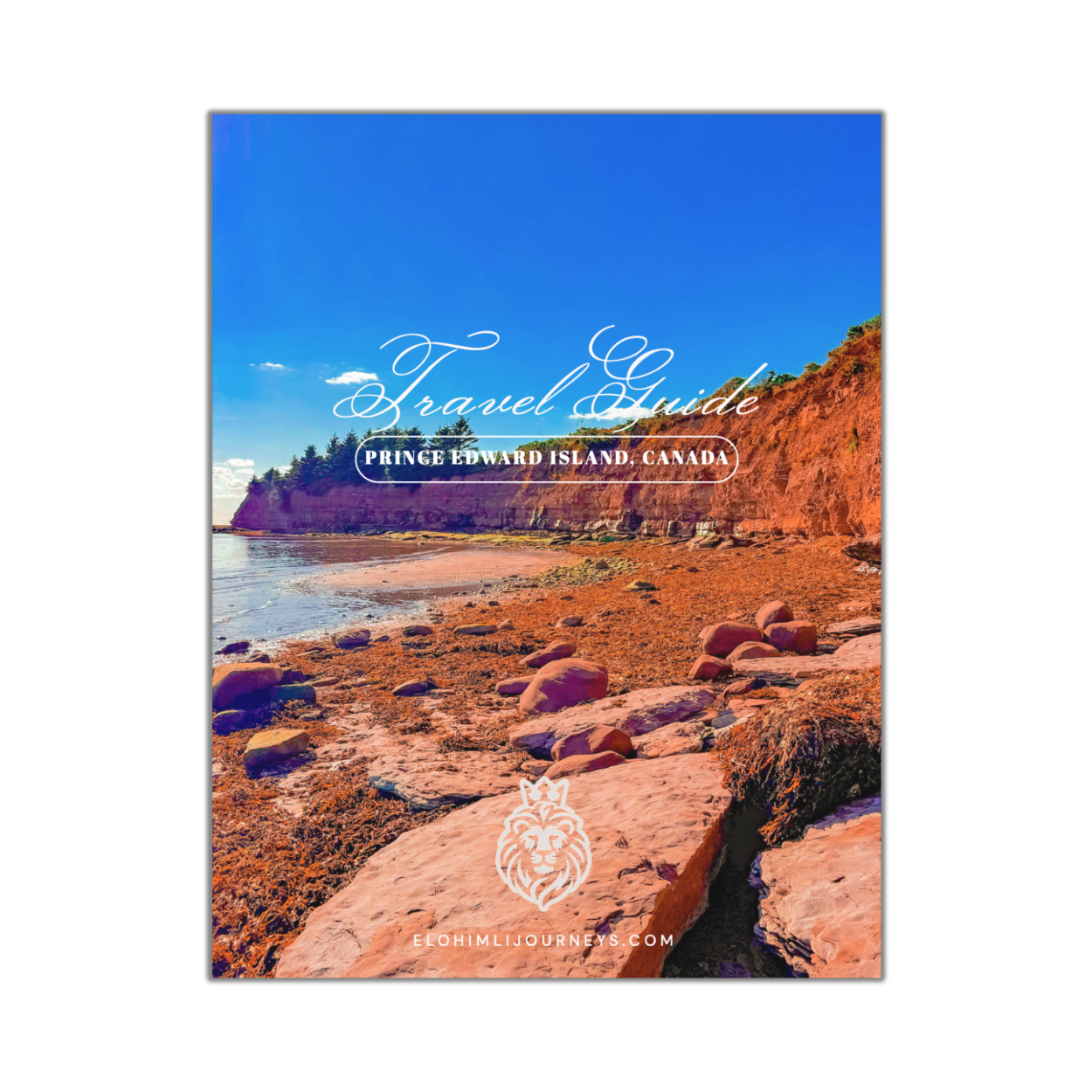
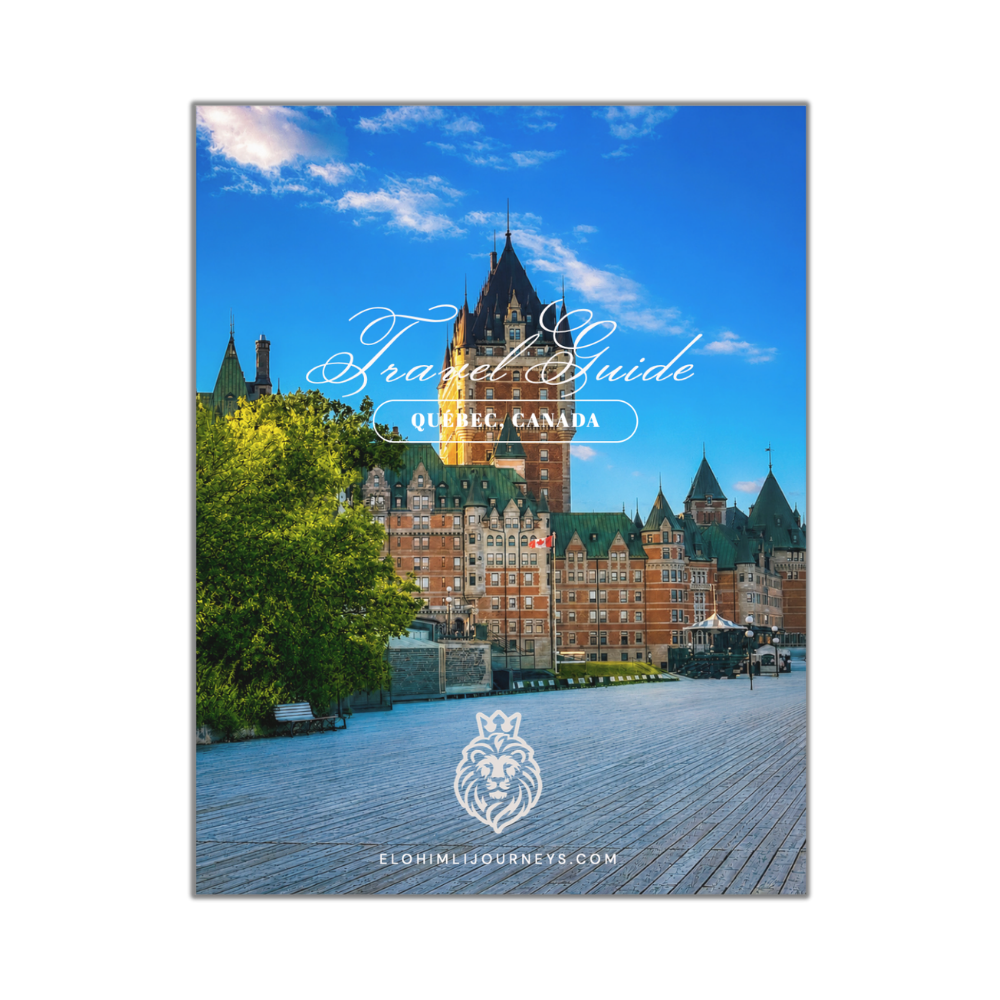
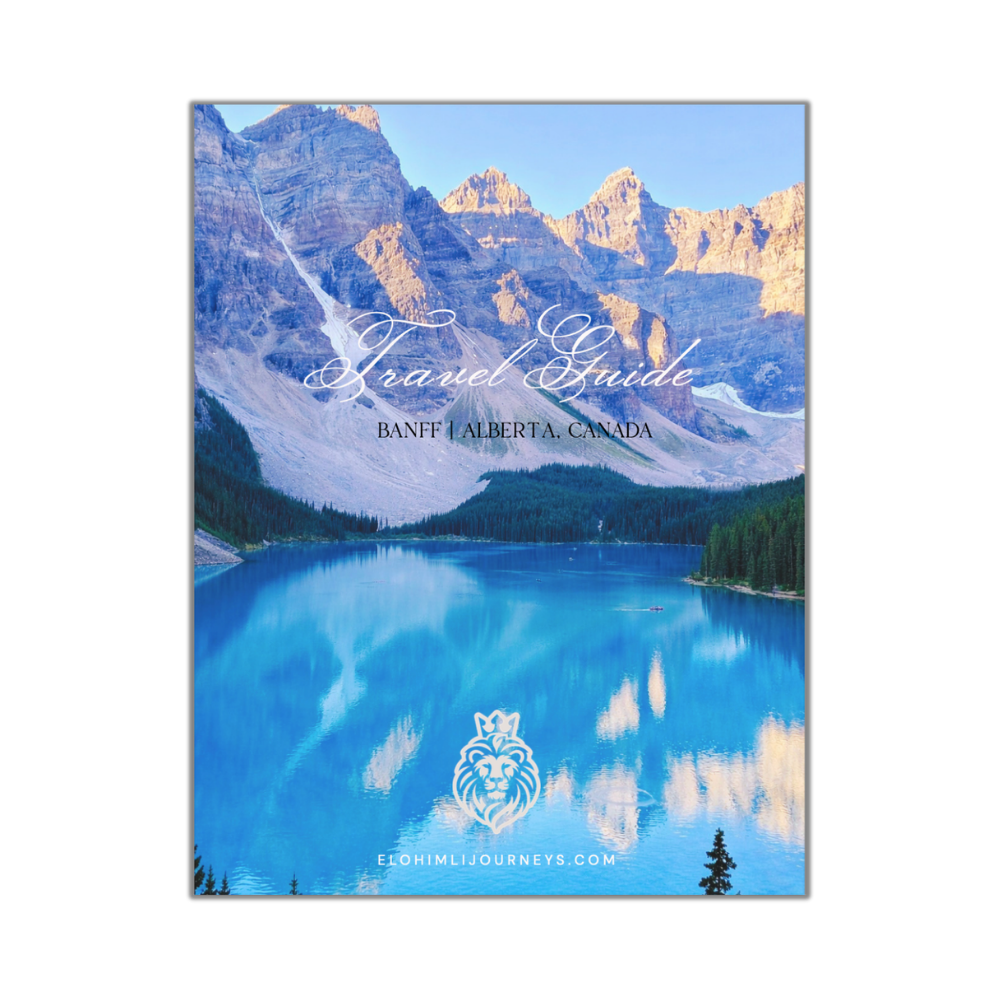
Canada offers incredible variety. Vancouver is stunning for nature lovers with easy access to mountains, ocean, and a vibrant food scene. Banff and Jasper National Parks are breathtaking for solo hikes and wildlife encounters. Quebec City and Montreal offer European charm. Toronto is a world-class multicultural city perfect for solo exploration. Prince Edward Island is peaceful, scenic, and wonderfully welcoming to solo visitors.
-
The Canadian Dollar (CAD) is the currency — note that it trades at a different rate from the US Dollar, which works in favor of American visitors. Credit and debit cards are accepted almost everywhere, and Canada is very tap-to-pay friendly. ATMs are widely available. Tipping culture mirrors the USA: 15–20% at restaurants, a few dollars for rideshare drivers, and $2–5/night for hotel housekeeping is appreciated.
-
Canada has two official languages: English and French. English is spoken across most of the country. French is the primary language in Quebec — in Montreal most people are bilingual, but in Quebec City and smaller Quebec towns, French dominates. If you're visiting Quebec, learning a few basic French phrases is genuinely appreciated by locals. All federal signage is bilingual, and major airports and tourist attractions are easy to navigate in English nationwide.
-
It depends on what you want to experience. Summer (June–August) is ideal for outdoor adventures, festivals, and pleasant weather. Fall (September–October) offers spectacular foliage, especially in Ontario and Quebec. Winter is magical for skiing Whistler, snowshoeing in Banff, or experiencing the Quebec Winter Carnival — just pack very warm layers. Spring can be unpredictable but is great for budget travel with fewer crowds.
-
In major cities, public transit is reliable and easy to navigate. Canada's distances are vast, so for cross-country travel, domestic flights are often the most practical option — Air Canada and WestJet are the main carriers. VIA Rail offers scenic long-distance train routes, including the iconic Canadian route from Toronto to Vancouver. To explore national parks and rural areas, a rental car or campervan is highly recommended. Road tripping solo is very common and safe in Canada.
-
Canada is a moderately expensive destination. Budget travelers staying in hostels and cooking can manage on $70–$100 CAD/day. Mid-range travel with hotels and dining out runs $150–$250 CAD/day. Vancouver and Toronto are the most expensive cities. National park fees, gear rentals, and activities like whale watching or helicopter tours add up — budget for these separately. Grocery stores are well-stocked and self-catering is easy, which helps stretch your budget significantly.
-
Canada has a thriving solo travel community. Groups like Solo Travel Society and Girls LOVE Travel have active Canadian members. Many hostels near national parks and in cities organize group activities that make it easy to meet fellow travelers. Hiking clubs and outdoor organizations like the Alpine Club of Canada also welcome solo members on group outings.
What's Included:
Getting there & where to stay
What to know before you go
Activities & must-see experiences
Restaurants & sweet stops
Day-by-day itinerary